Durable Design for Long-lasting Use

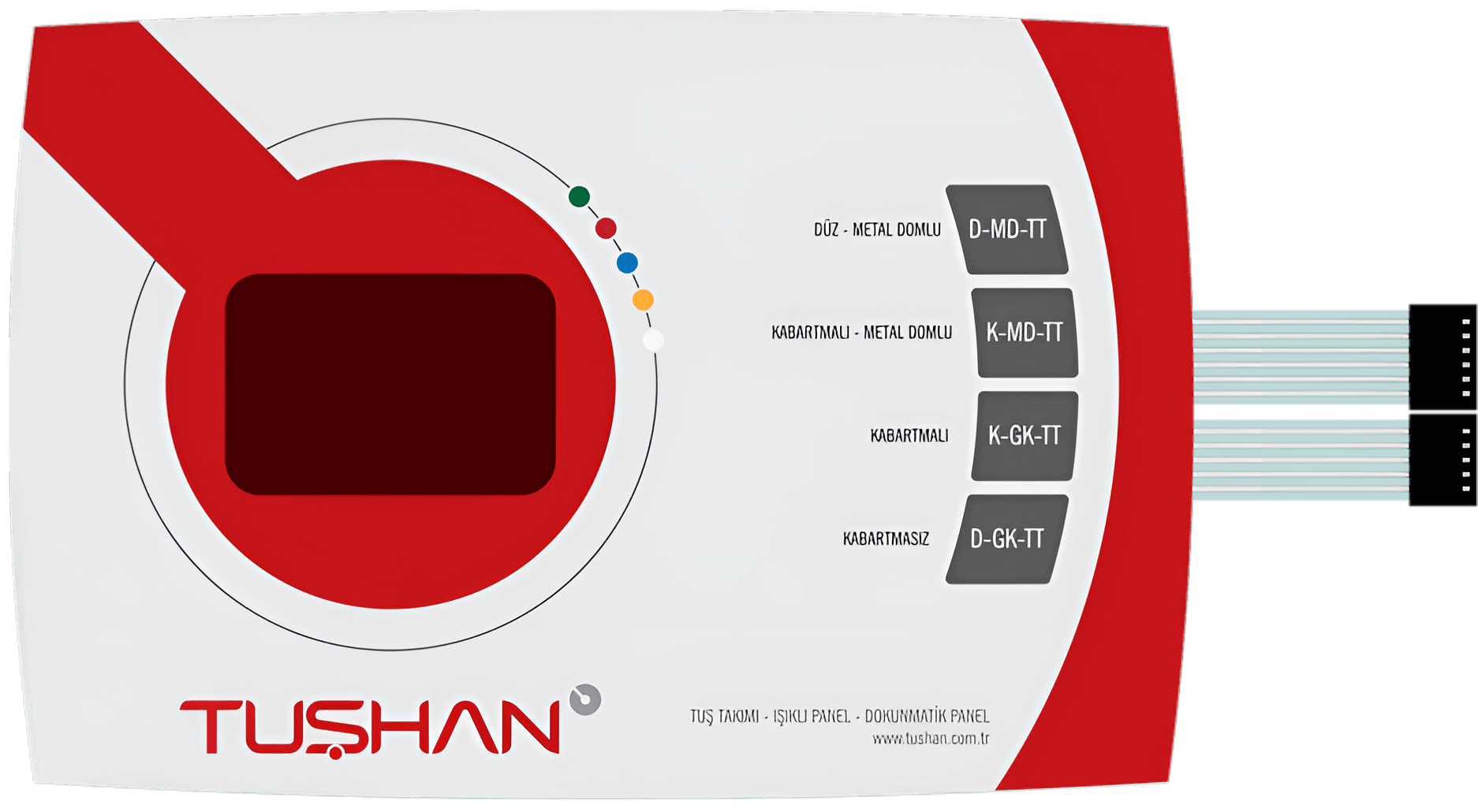
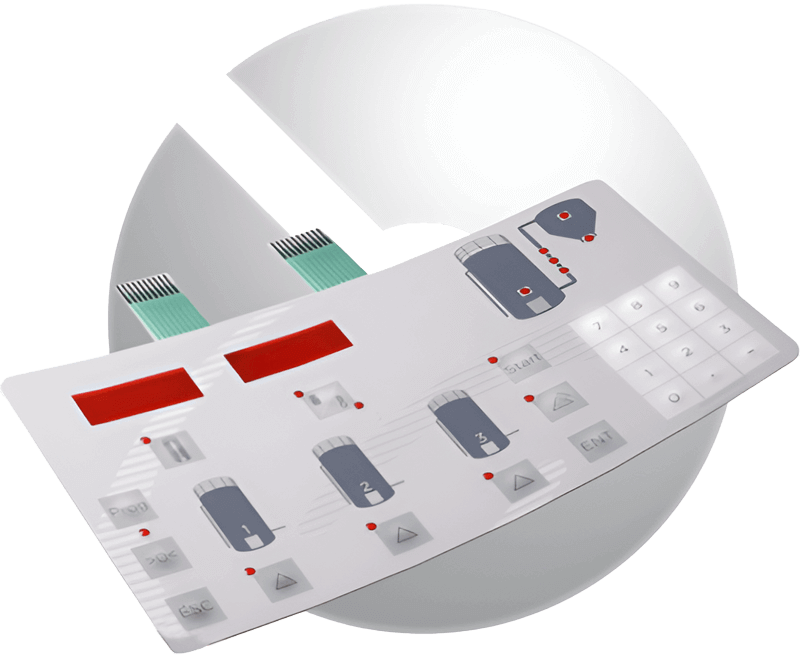
Enhance your machines with Tuşhan's durable and aesthetic industrial keypads, adding elegance and functionality. Extend the lifespan of your machines with keypads resistant to dust, dirt, wear, and corrosion.

 Durable Design for Long-lasting Use
 Durable Design for Long-lasting Use
Superior Visibility with Illuminated/Backlit Panels

Backlit panels enhance visibility, maximizing your work performance. Contact us for illuminated panels that provide clear and sharp images!

 Superior Visibility with Illuminated/Backlit Panels

Membrane switch and backlit keypad manufacturer for machine builders,
based in Istanbul, Türkiye.

Tuşhan Electronics is a membrane switch and keypad manufacturer in the İkitelli Organized Industrial Zone, Istanbul, Türkiye. Our range covers flat and embossed membrane switches, metal dome and polyester dome keypads, LED and backlit panels, touch panels, embossed graphic panels and Lexan labels. We work with machine and equipment builders from the sample and prototype stage onward, and we also produce equivalents for panels that are no longer available. Our manufacturing operates under an ISO 9001 Quality Management System.

Tuşhan Electronics offers membrane switch and keypad solutions tailored to every need, thanks to our wide range of products. Our items are manufactured with the latest technologies and undergo meticulous quality control. Ensuring customer satisfaction is our priority, achieved through ergonomic designs and competitive pricing. Committed to sustainability, we develop customer-centric solutions and always prioritize quality.

Frimpeks
MacDermid
Folex
3M
Kingbright
Kingbright

Tuşhan Elegance in Industrial Machinery

Why Should I Choose It?

With its resilience against external factors such as water, moisture, and dust, our Membrane Keypads stand out, offering a wide range of design options including custom-made Backlit Panels and Touch Panels. At Tuşhan, we are here to meet our customers' demands with long-lasting and high-quality products. Feel free to contact us with any questions or special requests.

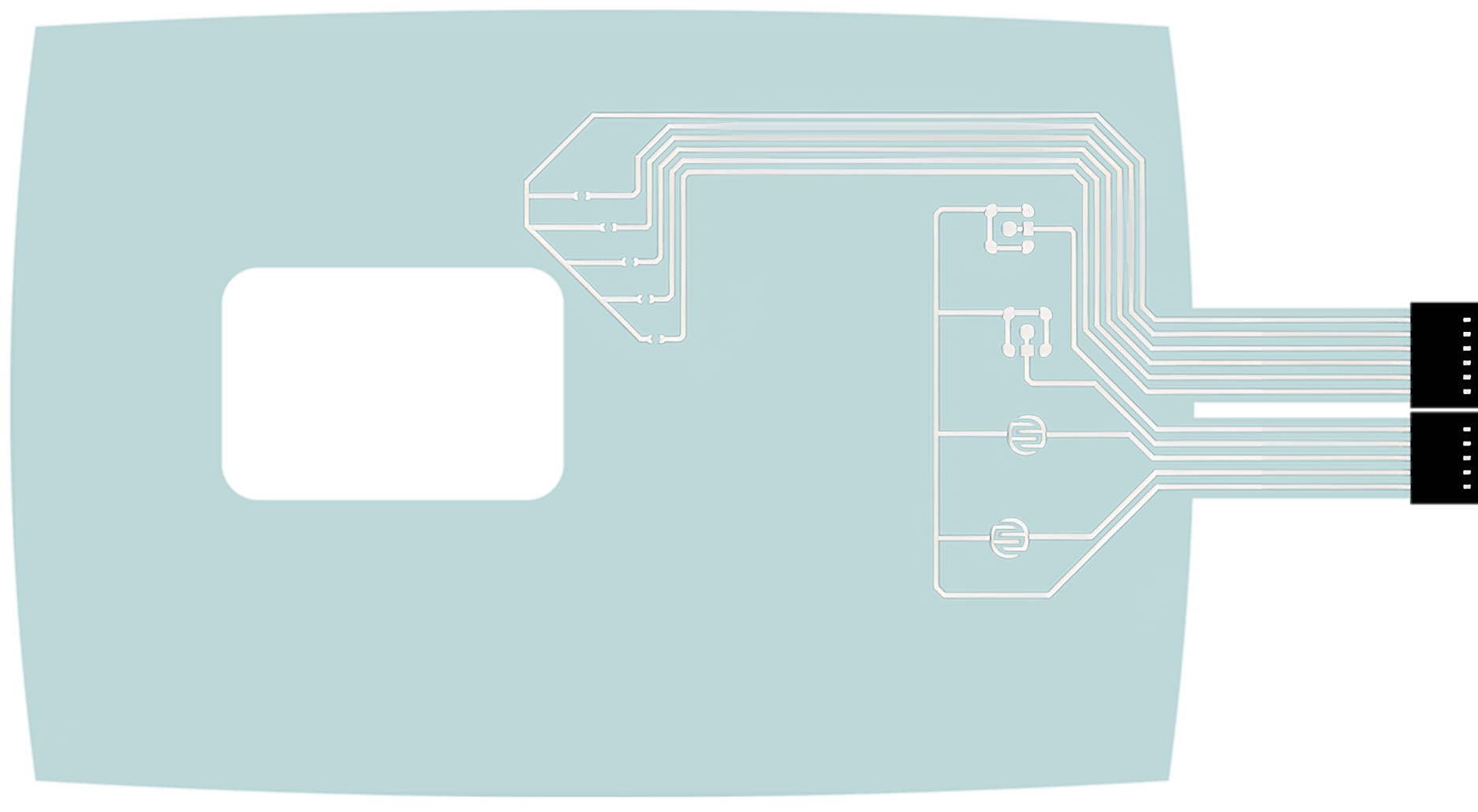
Membrane keypads are input devices composed of thin and flexible layers that operate through pressure. These keypads are favored in various applications due to their simple and reliable design. Typically, they consist of three layers: the top layer, the middle layer, and the bottom layer. The top layer is the surface where the keys are pressed. The middle layer, which is coated with a conductive material, connects the top and bottom layers when a key is pressed. The bottom layer is attached to the circuit board and transmits signals. When a key is pressed, the electrical circuit is completed, allowing the system to detect which key has been pressed. Membrane keypads offer numerous advantages including resistance to water and dust, long durability, thinness, lightweight, low cost, customizability, and hygienic properties. They are used in a wide range of applications such as home electronics, industrial applications, medical devices, automotive, and toys. Due to their simple structure, durability, and cost-effectiveness, membrane keypads are a preferred solution in many industries, especially in environments where hygiene is crucial and harsh working conditions are present.

The production process of membrane keypads includes various stages starting from the design phase to material selection, printing, cutting, assembly, and quality control steps. Each of these stages plays a crucial role in producing high-quality and reliable keypads.

Membrane keypads are commonly produced using materials such as polyester and polycarbonate. These materials allow for the production of keypads in various sizes and shapes due to their flexible nature, enabling customization according to the desired design. Additionally, their high durability makes them resistant to frequent use and wear. Their resistance to chemicals also ensures that the keypads can be safely used in different environments. This feature is particularly important for keypads used in electronic devices. Furthermore, these materials can be produced in both transparent and opaque forms, providing the keypads with various visual attributes.

Backlight panels are panels illuminated from the rear to provide clear visibility even under low light conditions. These panels are commonly used in automotive dashboards, electronic device screens, and industrial control panels. Backlight panels offer a range of color and brightness options, and their customizable nature makes them suitable for various applications. Particularly in situations that require night vision or where a visually striking interface design is desired, illuminated backlight panels provide an indispensable solution. Different light sources used in these panels, such as LEDs, fluorescent lights, or electroluminescent materials, ensure the desired level of illumination and color temperature is achieved.

Backlight panels have a broad range of applications, from the automotive industry and medical devices to electronic products and industrial control systems. These panels offer high readability and visual appeal even under low light conditions, thanks to their backlighting technology. They are particularly favored in applications that require night vision, where an eye-catching interface design is needed, and in industries aiming to enhance user experience. Backlight panels, available in various colors and brightness levels, can be customized to meet diverse needs. For instance, they are commonly used in automotive dashboards, electronic device keypads, and control panels in industrial machinery. These panels not only provide an aesthetically pleasing appearance but also facilitate quicker and easier access to information for users.

Touch panels are technologies that allow users to interact directly with electronic devices through their fingers or specialized styluses. These panels have become an indispensable part of modern electronics, offering a more intuitive and user-friendly experience compared to traditional input methods. Available in various sizes, resolutions, and sensitivities, touch panels are used in smartphones, tablets, computers, industrial control systems, and many other applications. Touch panels are produced using different technologies such as capacitive, resistive, infrared, and surface acoustic wave, each chosen based on the intended use and device characteristics. These technologies offer varying features including touch sensitivity, durability, cost, and multi-touch support. As touch panels have become more widespread, user interfaces have also evolved to be more interactive and aligned with this technology.

Touch panels are technologies that have become an indispensable part of electronic devices, allowing users to interact directly through their fingers or specialized styluses. While the operating principle varies depending on the technology used, it generally involves generating an electrical signal when the screen is touched, which is then detected by the device. There are several types of touch panel technologies, including capacitive, resistive, infrared, and surface acoustic wave. Capacitive touch panels are the most commonly used type; they create an electrical field due to the water present in the human body, and changes in this field are detected to determine the touch point. Other technologies use different physical principles to detect touch actions. Touch panels are employed in a variety of applications such as smartphones, tablets, computers, and industrial control systems, significantly enhancing the user experience.

A Lexan keypad is a membrane-type control interface manufactured from Lexan (polycarbonate), a highly durable film material. Also known as a membrane switch, these keypads are widely used in industrial equipment, medical devices and electronic instruments. Thanks to the layered construction built up with dedicated production techniques, Lexan keypads provide long-lasting and reliable solutions. For more detailed information about Lexan keypads and membrane switches, you can read our blog article titled "Lexan Keypad and Switch Manufacturing".

The most important difference between Lexan keypads and Lexan labels lies in their functionality. A Lexan keypad is an interactive control interface that contains electronic circuit elements and has pressable keys. A Lexan label, on the other hand, is a flat front panel overlay used for visual purposes only and contains no electronic components. Although both products are manufactured from polycarbonate, their intended use and production processes are different.

Lexan membrane switches (membrane keypads) are important control interfaces with a wide field of application across industry. They are preferred in industrial control panels in particular, thanks to their resistance to harsh operating conditions and their reliable operation. In medical device interfaces, their suitability for sterilization and their easy-to-clean surface have made them one of the essential components of the healthcare sector. In the domestic appliance (white goods) sector, they stand out in the control panels of modern washing machines, dishwashers and ovens with their aesthetic appearance and long service life.

In the automotive industry, Lexan keypads are frequently used in in-vehicle control systems and diagnostic equipment, where they are preferred for the high resistance they show to vibration and temperature variation. In electronic device interfaces, their thin construction, customizable design and various illumination options deliver solutions that improve the user experience. Across all of these sectors, custom designs are developed by taking factors such as IP protection class requirements, operating temperature ranges and usage intensity into account. In addition, Lexan membrane switches can also be produced to suit special requirements such as ESD (electrostatic discharge) protection and EMI/RFI filtering.

Among the main reasons Lexan keypads are preferred in these broad application areas are cost effectiveness, easy assembly, customizable design flexibility and minimal maintenance requirements. They stand out particularly in series production lines, quality control systems and applications requiring precise measurement, with their reliable and repeatable performance characteristics.

The production process of Lexan keypads is a complex process requiring a precise and systematic approach. In the first stage, graphic design work is carried out in line with the customer's requirements and the approval process is completed. During this stage the visual properties, color choices and technical details of the keypad are defined. Next, screen printing or digital printing is performed according to the selected printing technology. Forming is carried out using custom cutting dies, and the conductive circuit elements are printed using special silver paste. In the final stage, all layers are precisely bonded together with special adhesives and the assembly is put through comprehensive quality control tests.

The printing techniques used on Lexan keypads vary according to the intended use of the product and the production quantity. Screen printing is a traditional method preferred especially in high-volume production, offering durable and sharp detail. UV printing technology delivers superior performance in applying complex designs and special effects, and offers an environmentally friendly solution. Digital printing, on the other hand, is preferred especially in prototype production and small-quantity orders because it provides a fast solution. Each printing technique has its own advantages and areas of application.

Illumination is an important feature that improves the user experience in Lexan keypads. LED lighting systems are the most widely preferred solution thanks to their low energy consumption and long service life. EL (electroluminescent) panel technology is important particularly for providing homogeneous light distribution across large surfaces. Fiber optic lighting is used in applications requiring special effects and point lighting. These lighting systems can be applied on their own or in combination, according to the intended use of the keypad and its operating environment.

Fault diagnosis on Lexan keypads requires a systematic approach and professional test equipment. Continuity measurements made with a multimeter are a basic method for checking the integrity of the circuit elements. In the visual inspection process, print quality, layer adhesion and surface defects are examined in detail. Pressure and durability tests are applied to evaluate the mechanical performance of the keypad. Function and response tests are used to measure the actuation sensitivity and response times of the keys. These tests are of great importance in ensuring the product's conformity to quality standards and its long-term performance.